Eat Well, Feel Better: A Guide to Healthy Eating
Eat Well, Feel Better: A Guide to Healthy Eating
We all know the basics: eat your vegetables, drink more water, lay off the midnight snacks. But healthy eating isn't really about restriction — it's about building a relationship with food that actually makes you feel good, both now and long-term. Here's the honest rundown.
What "Healthy" Actually Means
Healthy eating doesn't mean eating the same sad salad every day. It means giving your body a wide range of nutrients — proteins, healthy fats, complex carbohydrates, fiber, vitamins, and minerals — in reasonable quantities. The goal is a diet that energizes you, supports your immune system, and keeps you feeling sharp.
No single food is a superfood. No single food will ruin you. It's the overall pattern that counts.
Build Around Whole Foods
The closer a food is to its natural state, the better it usually is for you. Think:
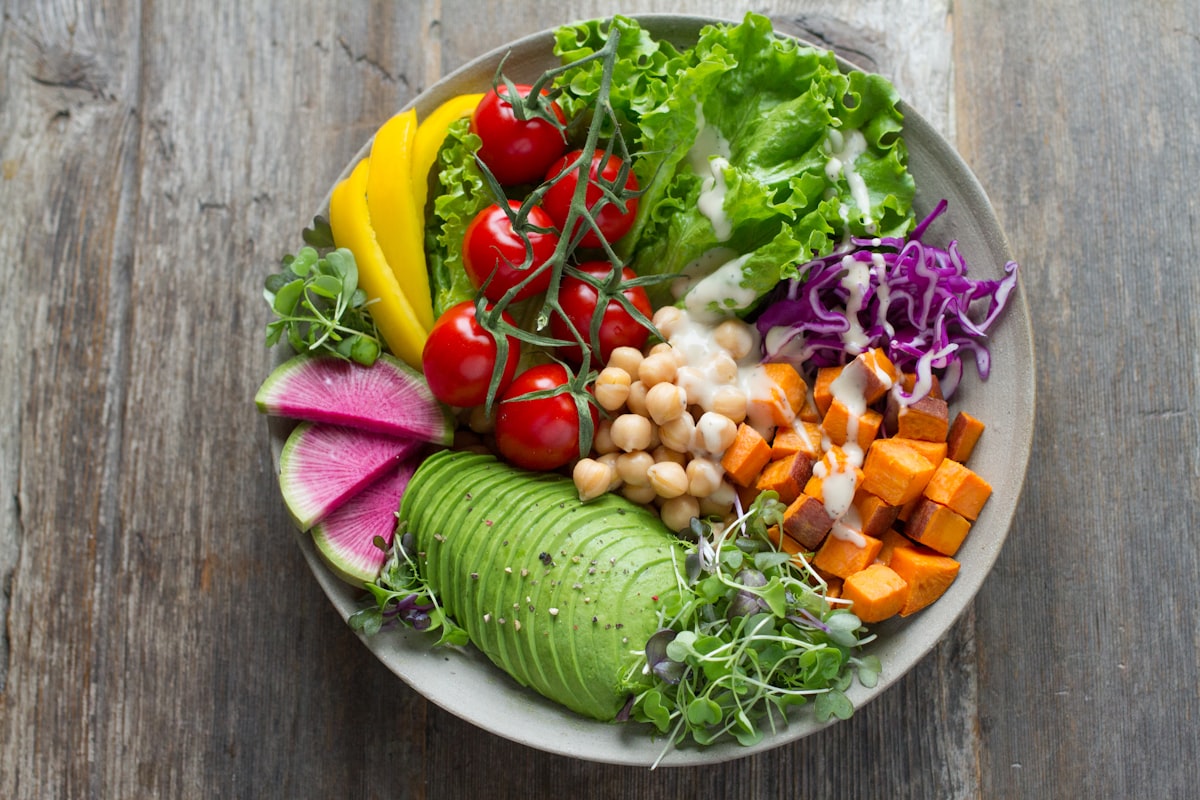
- Vegetables and fruits — color variety matters; different pigments mean different nutrients
- Whole grains — oats, brown rice, quinoa, whole wheat over refined versions
- Lean proteins — chicken, fish, legumes, tofu, eggs
- Healthy fats — avocado, olive oil, nuts, and seeds
These foods are nutrient-dense: they pack a lot of value per calorie. Processed foods often do the opposite — calories without much nutritional payoff.
Don't Fear Carbs (Or Fat)
Two of the most misunderstood macronutrients in the history of diets. The truth: your brain runs on glucose (from carbs), and fat is essential for hormone production and absorbing fat-soluble vitamins. The type and amount matter more than cutting them entirely.
- Whole grain bread over white bread: better fiber, steadier energy
- Olive oil over margarine: heart-healthy unsaturated fats
- A handful of walnuts over a bag of chips: same crunch, wildly different outcome
Eat With Intention
One of the most underrated healthy eating habits isn't about what you eat — it's how you eat it. Slowing down, not eating in front of screens, and paying attention to when you're actually full can make a bigger difference than any specific diet plan.
Your body has satiety signals. It just takes about 20 minutes for them to reach your brain. If you eat fast, you'll often eat past full before you know it.
Hydration Is Non-Negotiable
Most people are mildly dehydrated most of the time. Water is involved in basically everything your body does — digestion, circulation, temperature regulation, cognitive function. The classic "eight glasses a day" is a rough guideline, not a law, but it's a decent target.
Coffee and tea count. Soda and juice... less so.
Practical Wins That Actually Stick
Big dramatic diet overhauls rarely last. Small consistent changes do:
- Add, don't subtract — start by adding a serving of vegetables before cutting anything out
- Prep one thing a week — a batch of grains, a chopped salad base, hard-boiled eggs in the fridge
- Read ingredient lists, not just labels — "low fat" often means "high sugar"
- Eat breakfast with protein — it stabilizes blood sugar and curbs afternoon cravings
- Keep healthy snacks visible — you eat what's convenient; make the good stuff convenient
The 80/20 Rule
Aim to eat well most of the time, and enjoy treats without guilt the rest of the time. A healthy diet that you can actually maintain for years beats the perfect diet you abandon in three weeks.
Food should be enjoyable. That's not in conflict with eating healthily — it's the whole point.
The best diet is the one that makes you feel good, gives you energy, and that you can actually stick to. Start there.